Darvaza

Merv

Kunya-Urgench

Ashgabat

I want to be here

Darvaza

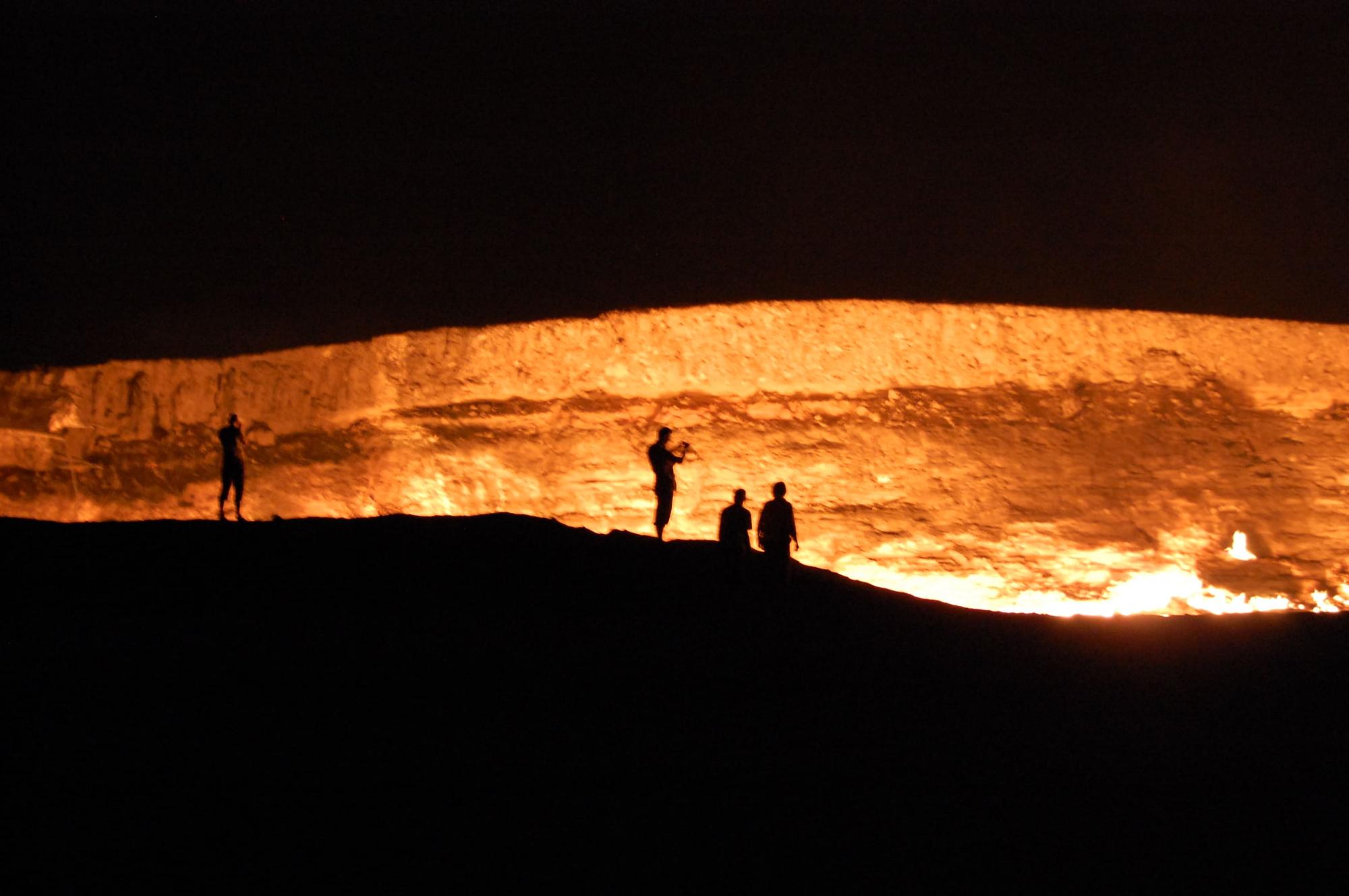
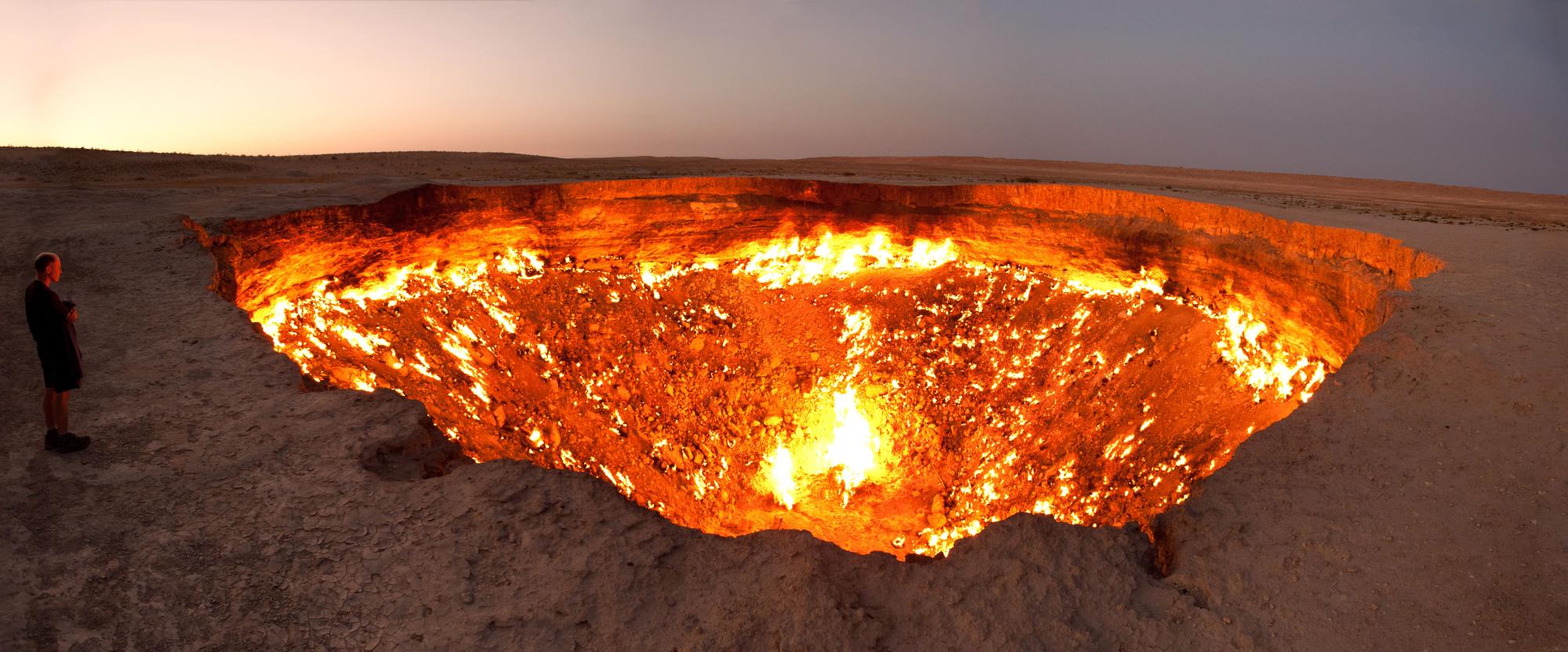
Darvaza — one of the most extraordinary and mesmerizing places in Turkmenistan, widely known as the “Door to Hell.” In the middle of the vast Karakum Desert, a massive gas crater has been burning for more than 50 years, creating a truly surreal spectacle.

The story of Darvaza began in 1971, when Soviet geologists discovered an underground gas pocket. During drilling, the ground collapsed, forming a crater that began releasing natural gas. To prevent its spread, it was decided to ignite the gas, expecting it to burn out within a few days. However, the flames continue to burn to this day, turning the site into one of the region’s most fascinating phenomena.

Darvaza is especially striking at night, when the flames illuminate the desert sands and create an almost otherworldly atmosphere. The silence, star-filled sky, and endless horizon enhance the experience.

Darvaza is a place where nature’s power and a moment in history came together to create something truly unforgettable.

Merv

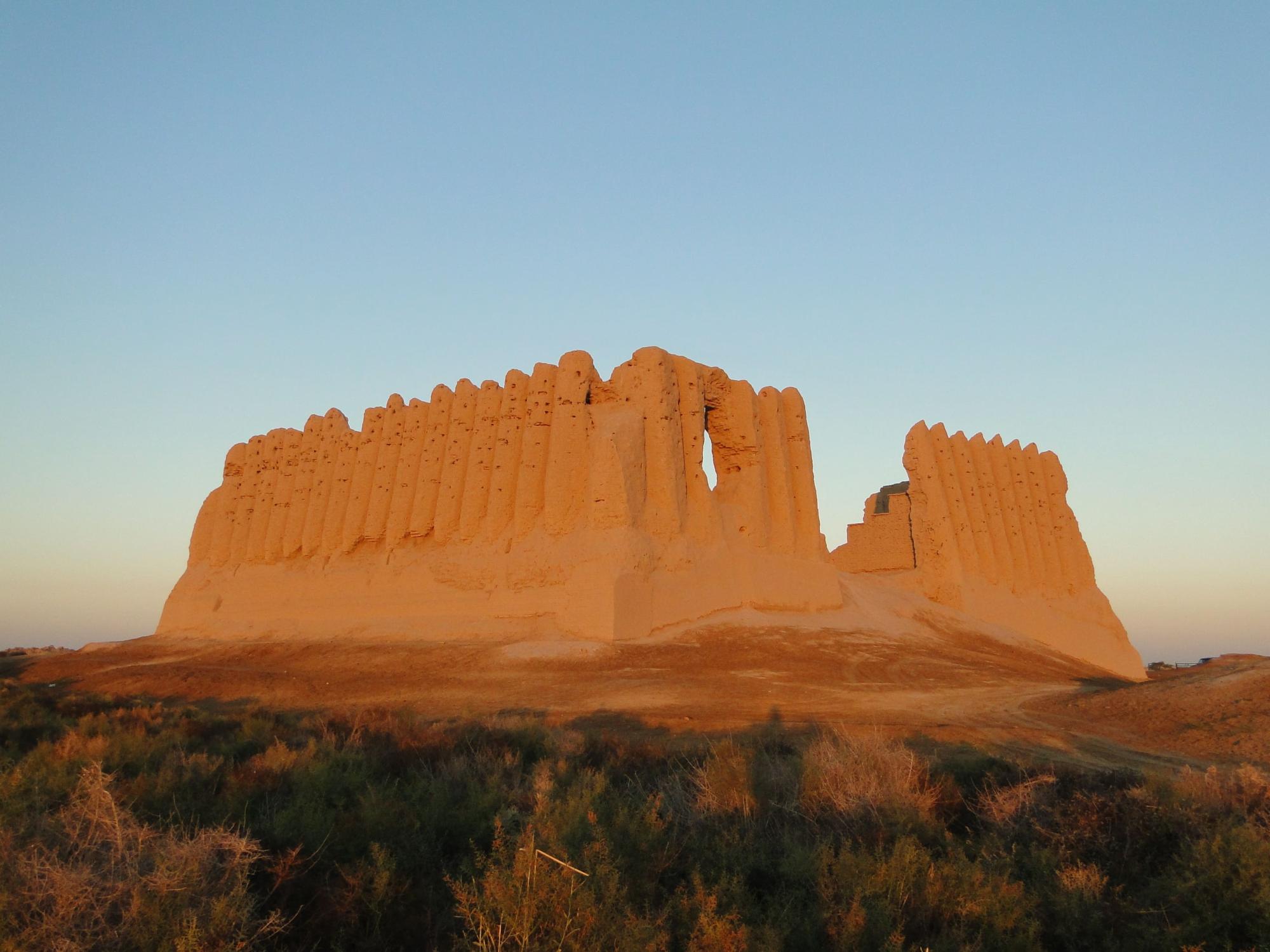
Merv — one of the greatest cities of the ancient world and a key center of the Silk Road, once rivaling the most prominent cities of the East. Today, it is an archaeological complex in Turkmenistan and a UNESCO World Heritage Site, where the remains of multiple civilizations lie scattered across the desert.

Merv’s history spans over 4,000 years. At different times, it served as the capital of powerful empires and was one of the most prosperous and populated cities in the world. In the 12th century, Merv was among the largest cities on Earth, known for its libraries, madrasahs, and vibrant intellectual life. It was a crossroads of trade routes, where ideas, religions, and cultures met.

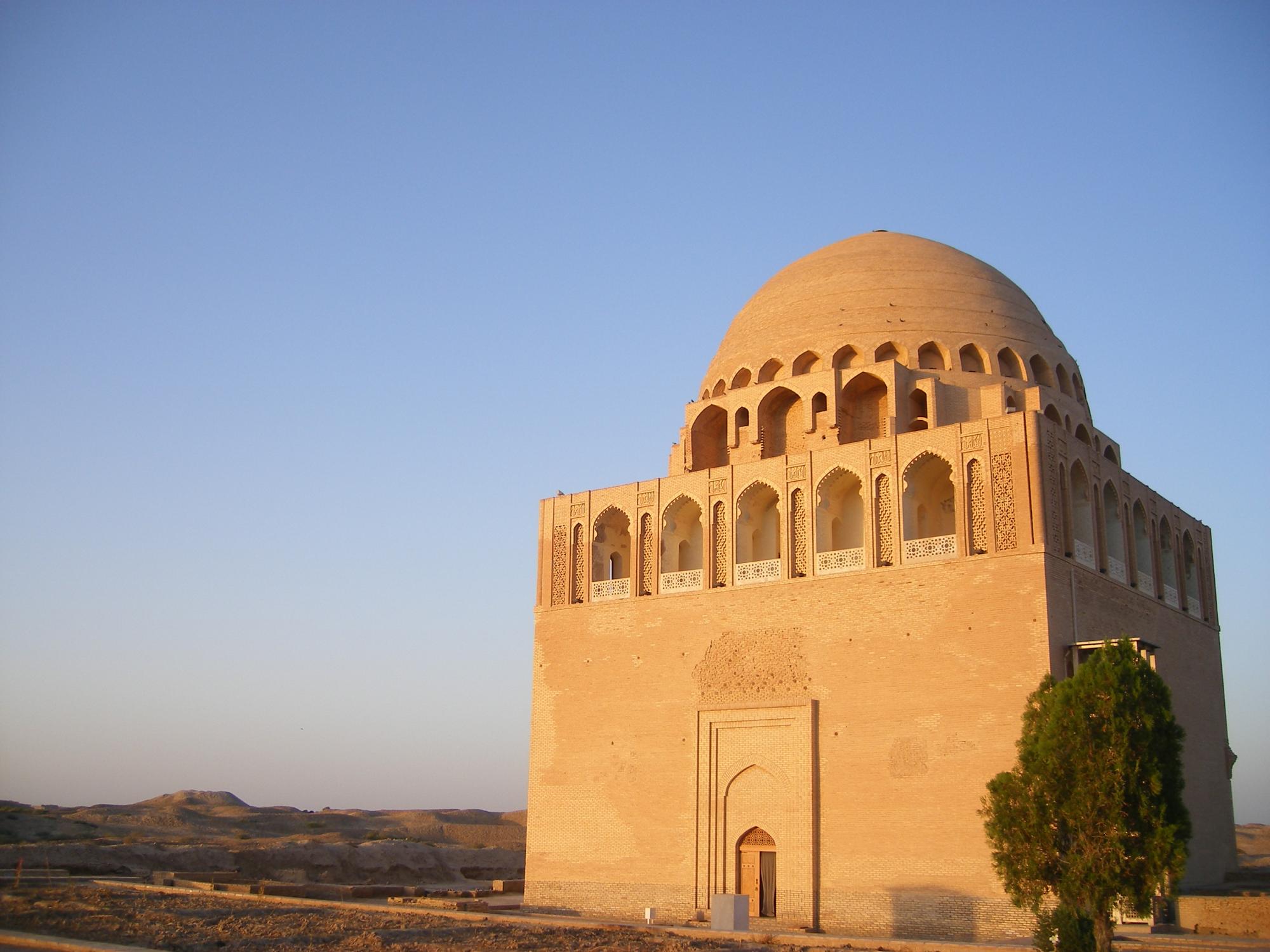
The site preserves impressive ruins — fortresses, mausoleums, and ancient city walls. Among them, the Mausoleum of Sultan Sanjar stands out as a monumental structure rising above the desert landscape.

Merv is a place where the silence of the desert holds the memory of a great civilization, and every step reveals the scale and depth of its remarkable past.

Kunya-Urgench

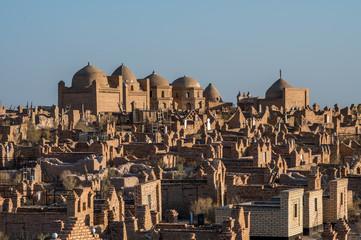
Kunya-Urgench — an ancient city and one of the key centers of Khorezm, where the grandeur of a lost civilization can still be felt. Located in northern Turkmenistan, it was once a major Silk Road city and the capital of a powerful state.

In the 12th–13th centuries, Kunya-Urgench was among the largest cities of the Islamic world, known for its scholars, craftsmanship, and architecture. Today, it preserves remarkable monuments, including the Kutlug-Timur Minaret — one of the tallest in Central Asia — as well as elegant mausoleums and ancient necropolises.

The city carries a strong sense of history and spirituality, where every structure reflects the artistry and cultural depth of its era. Kunya-Urgench offers a rare connection to the past, where architecture speaks across centuries.

Ashgabat

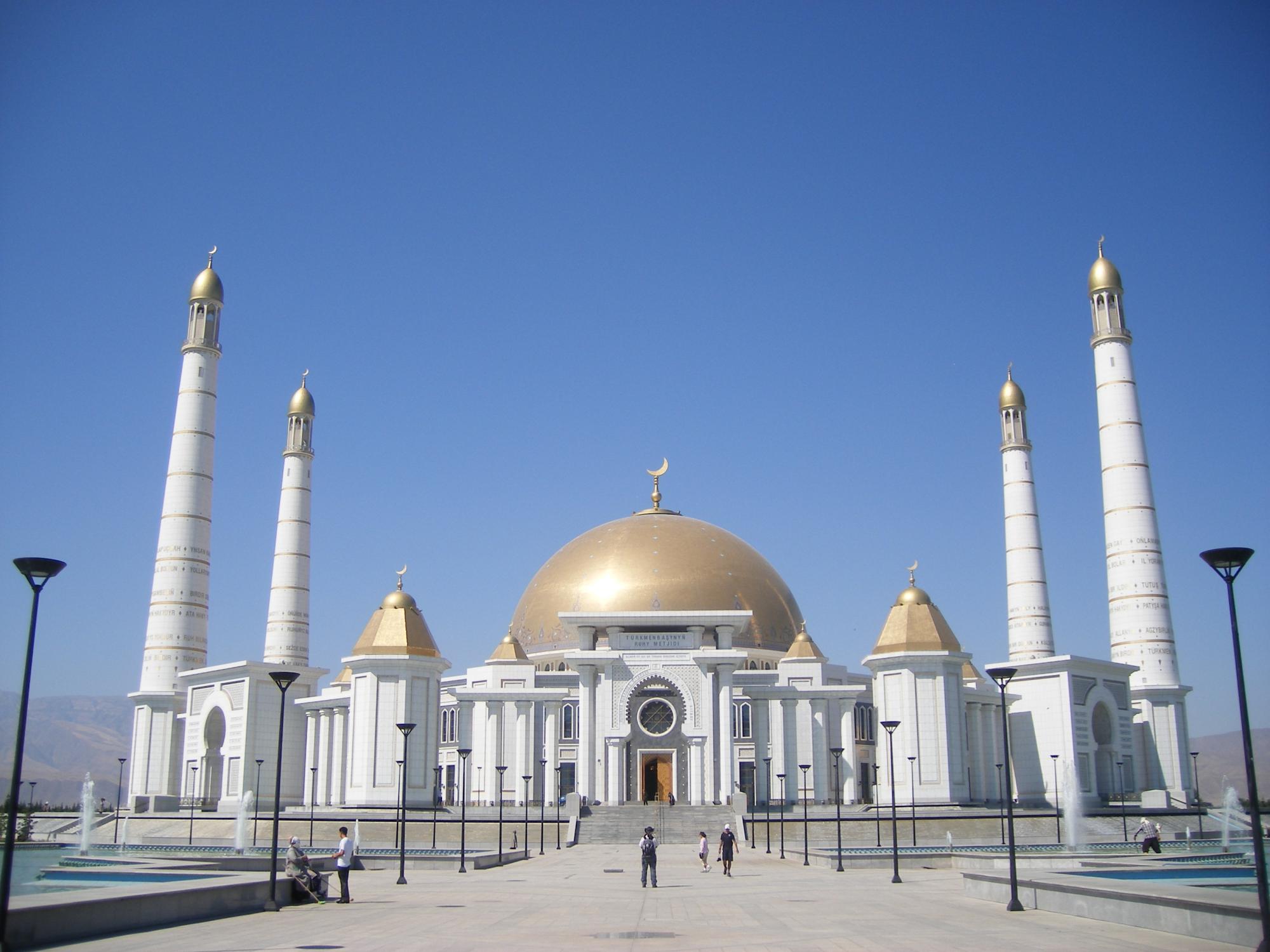
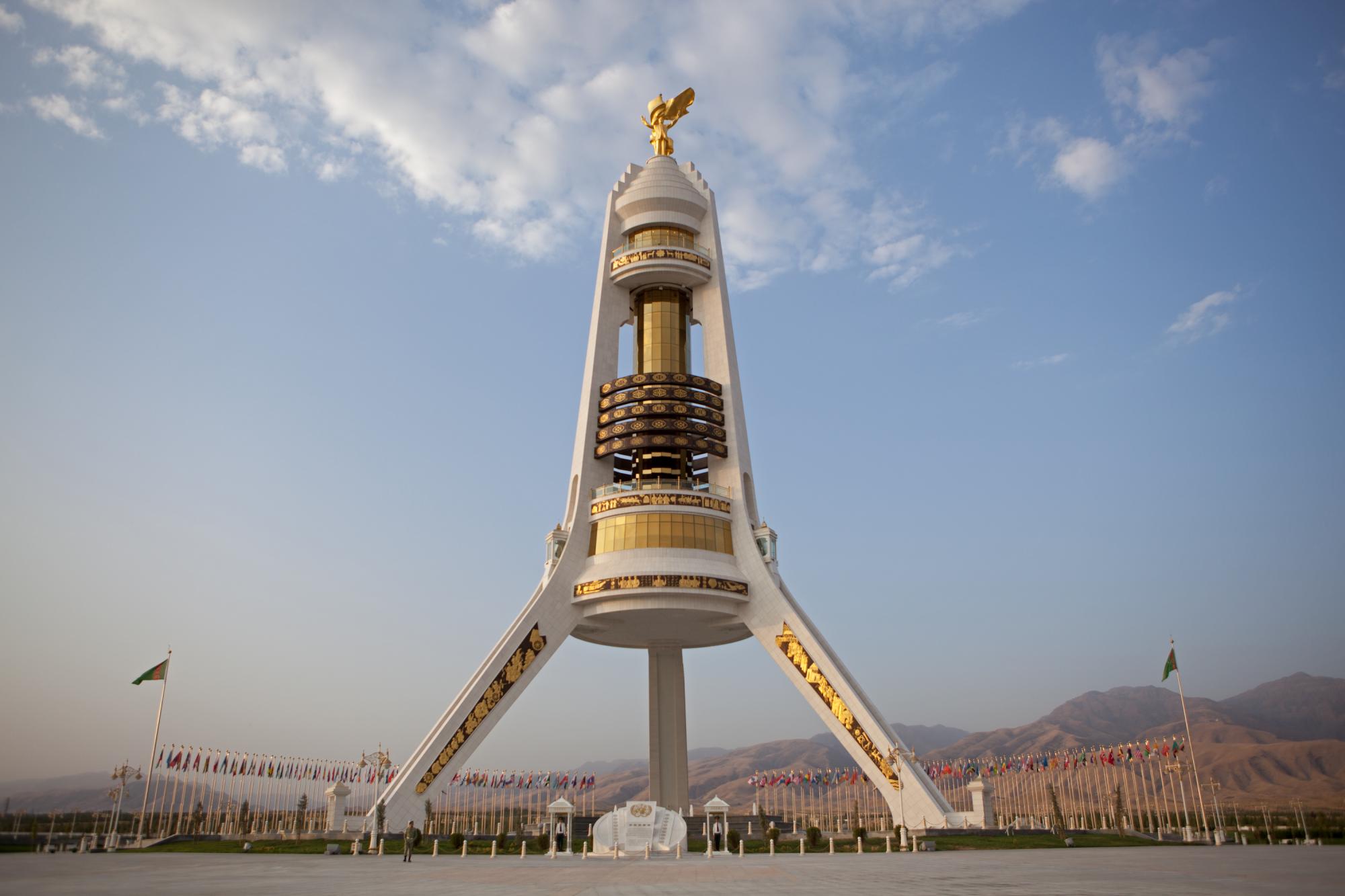
Ashgabat — the capital of Turkmenistan, known for its distinctive architecture and modern appearance set against desert landscapes. Located at the foot of the Kopet Dag mountains, the city combines Eastern traditions with ambitious urban development.

Ashgabat holds a Guinness World Record for having the highest concentration of white marble buildings in the world. Wide avenues, open squares, monumental structures, and fountains create a strong sense of space and scale.

Founded in the 19th century, the city was almost entirely rebuilt after a devastating earthquake in 1948. Today, Ashgabat stands as a symbol of renewal and forward-looking vision.

The city impresses with its cleanliness, order, and unique atmosphere, where modernity is expressed through architecture and design. Ashgabat offers a completely different perspective on Central Asia.

Please, wait