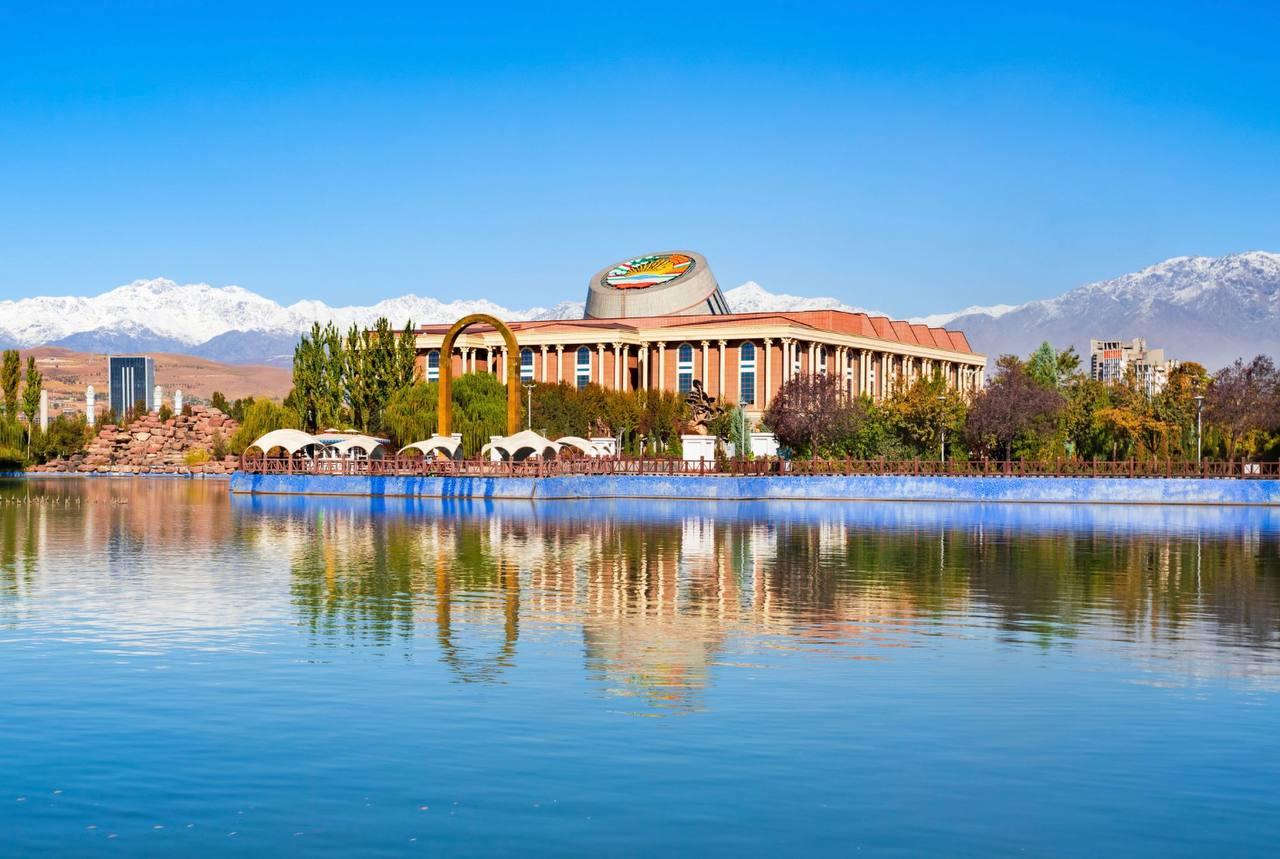
In 1934, the museum held just 530 exhibits. Today, that number exceeds 50,000. Over ninety years, a tiny exhibition of national economic achievements grew into the country's largest museum collection.
The museum was established by a decree of the Central Executive Committee and the Council of People's Commissars of the USSR in 1934, and for a long time bore the name of the Persian miniaturist painter Kamaladdin Behzad. In March 2013, a new building opened in Dushanbe, and the museum took on its current name — the National Museum of Tajikistan.
The museum's total area covers 24,000 square metres, of which 15,000 is given over to exhibition space, divided across 22 halls. Visitors can see everything from natural history collections and ancient artefacts of the Achaemenid era and the Kushan Kingdom to paintings and personal gifts presented to the country's president by foreign heads of state. Among the most valuable items on display is a Hellenistic statuette of a satyr from Takht-i Sangin, dating to the 3rd–4th centuries.